What is Speech Pathology?

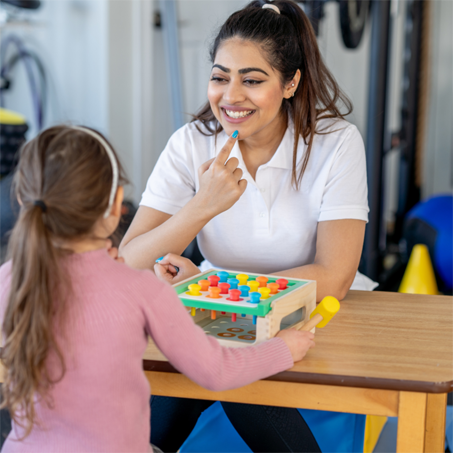
Speech pathology, also called speech therapy, helps children who experience difficulties with communication, language, speech sounds, voice, or swallowing. A qualified speech-language pathologist (SLP) works with children to develop skills for expressing themselves, connecting with others, and participating confidently in daily life.

What Does a Speech Therapist Do?

Speech therapists provide assessment, diagnosis, and tailored therapy plans to help

  • Speech clarity: Pronouncing sounds and words correctly
  • Language development: Understanding and using words, sentences, and concepts
  • Social communication: Learning turn-taking and conversation skills
  • Voice therapy: Improving pitch, tone, and vocal quality
  • Feeding and swallowing: Supporting safe eating and drinking

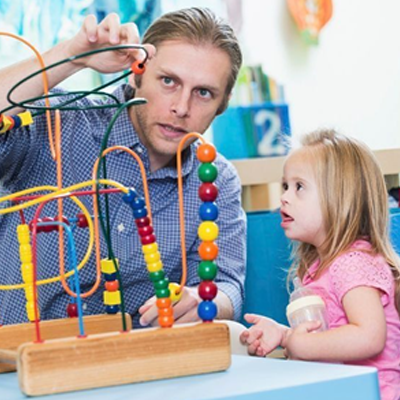
Therapy sessions are play-based and evidence-informed, tailored to each child’s
developmental stage to make learning enjoyable and confidence-building.

When Should You Consider Speech Therapy?

Speech therapy is recommended if a child:

  • Is slow to start talking
  • Is difficult to understand
  • Has trouble following instructions or answering questions
  • Shows frustration when communicating
  • Has been diagnosed with autism, apraxia of speech, or developmental delays

Book a Speech Therapy Assessment Today

Contact Ask for Care to book a consultation with a caring speech-language pathologist. Let’s build strong communication foundations together.

Book Now

What is Occupational Therapy?

Occupational therapy helps children develop independence in daily life, learning, play, and community participation. OTs work with children to improve their self-care, mobility, sensory processing, and practical life skills.

What Does an Occupational Therapist Do?

Occupational therapists provide personalised support to:

  • Self-care: Dressing, grooming, bathing, and toileting
  • Daily living skills: Cooking, cleaning, budgeting, and household management
  • Mobility & sensory skills: Improving movement, coordination, and sensory regulation
  • Community participation: Supporting travel, school, play, and social engagement
  • Adaptive equipment guidance: Recommending tools or modifications to support independence

Sessions are hands-on, practical, and fun, helping children build skills they can apply in everyday life.


When Should You Consider Occupational Therapy?

Consider OT if a child:

  • Struggles with daily routines or self-care
  • Has difficulty with fine or gross motor skills
  • Experiences sensory sensitivities that affect participation
  • Needs support to participate safely in school, home, or community activities

Book an Occupational Therapy Assessment Today

Reach out to Ask for Care to schedule an OT consultation and start developing skills for greater independence and confidence.

Book Now

What is Psychology & Counselling?

Psychology and counselling provide emotional and mental health support to children, helping them manage stress, develop coping strategies, and build resilience.

What Does a Psychologist or Counsellor Do?

Psychology and counselling services include:

  • Developing resilience, self-esteem, and coping strategies
  • Supporting emotional regulation and mental wellbeing
  • Assisting with social skills, relationships, and problem-solving
  • Providing family or carer support to strengthen the home environment
  • Guiding children through life transitions, trauma, or grief

Therapy is evidence-based, supportive, and tailored to the child’s developmental needs and goals.

When Should You Consider Psychology & Counselling?

Psychology and counselling are recommended if a child:

  • Struggles with anxiety, stress, or emotional regulation
  • Experiences difficulty managing behaviours or social situations
  • Needs support after trauma, grief, or major life changes
  • Would benefit from strategies to improve confidence and self-esteem

Book a Psychology & Counselling Assessment Today

Contact Ask for Care to schedule a consultation and provide your child with the emotional support and coping skills they need to thrive.

Book Now

What is Physiotherapy?

Physiotherapy focuses on physical development, mobility, strength, and overall function, supporting children to move safely and confidently in daily life.

What Does a Physiotherapist Do?

Physiotherapists provide:

  • Strengthening exercises for balance, flexibility, and core stability
  • Support for safe mobility and posture
  • Assistance with recreational and sports participation
  • Individualised exercise programs for physical development
  • Recommendations for adaptive equipment or injury prevention

When Should You Consider Physiotherapy?

Physiotherapy may be helpful if a child:

  • Experiences difficulty with movement, balance, or coordination
  • Has limited strength or endurance for daily activities
  • Needs support for recreational, sports, or community participation
  • Requires guidance for safe physical development or rehabilitation

Book a Physiotherapy Assessment Today

Contact Ask for Care to schedule a physiotherapy consultation and help your child build strength, mobility, and confidence.

Book Now

What is Allied Health Assistance?

Allied Health Assistance supports children in carrying out therapy programs designed by qualified professionals, helping them practice and generalise skills learned in therapy.

What Does an Allied Health Assistant Do?

Allied Health Assistants:

  • Support children during OT, Speech, Physiotherapy, and Psychology sessions
  • Reinforce therapy exercises and strategies at home and in the community
  • Monitor progress and provide feedback to supervising clinicians
  • Ensure therapy programs are engaging, safe, and personalised
  • Help children apply skills in real-life situations

When Should You Consider Allied Health Assistance?

Consider this service if a child:

  • Needs extra support to practice therapy exercises between sessions
  • Would benefit from consistent reinforcement and supervision
  • Requires assistance to transfer skills to home, school, or community
  • Needs support to achieve therapy goals more effectively

Book an Allied Health Assistance Consultation Today

Contact Ask for Care to access allied health assistance services and maximise the impact of therapy sessions for your child.

Book Now

What are Behavioural Supports?

Behavioural supports are specialised services that help children develop positive behaviours, emotional regulation, and social skills. These services are designed to reduce challenging behaviours, enhance interactions, and improve overall wellbeing.

Behavioural support is delivered by qualified practitioners, often in collaboration with families, carers, schools, and other allied health professionals, to ensure a consistent and holistic approach.

What Does Behavioural Support Do?

Behavioural support services aim to:

  • Develop positive behaviours while reducing behaviours of concern
  • Teach emotional regulation strategies to manage stress, frustration, or anxiety
  • Improve social interaction skills, including sharing, turn-taking, and communication
  • Provide practical strategies and interventions that can be applied at home, school, or in the community
  • Work collaboratively with families, carers, and teachers to ensure consistent reinforcement

Example: Teaching a child to use calming techniques when feeling overwhelmed, while encouraging positive engagement in group activities.

When Should You Consider Behavioural Supports?

When Should You Consider Behavioural Supports?

  • Frequently exhibits challenging or unsafe behaviours
  • Struggles with emotional regulation or managing frustration
  • Finds it difficult to engage socially with peers or adults
  • Needs support to develop coping strategies for home, school, or community settings
  • Has a diagnosis such as autism, ADHD, or other developmental needs
  • Early intervention can significantly improve emotional wellbeing, social participation, and learning outcomes.

Book a Behavioural Support Consultation Today

Contact Ask for Care to schedule a consultation with a qualified behavioural support practitioner. Let’s work together to build positive behaviours, improve social skills, and enhance your child’s confidence and wellbeing.

Book Now